
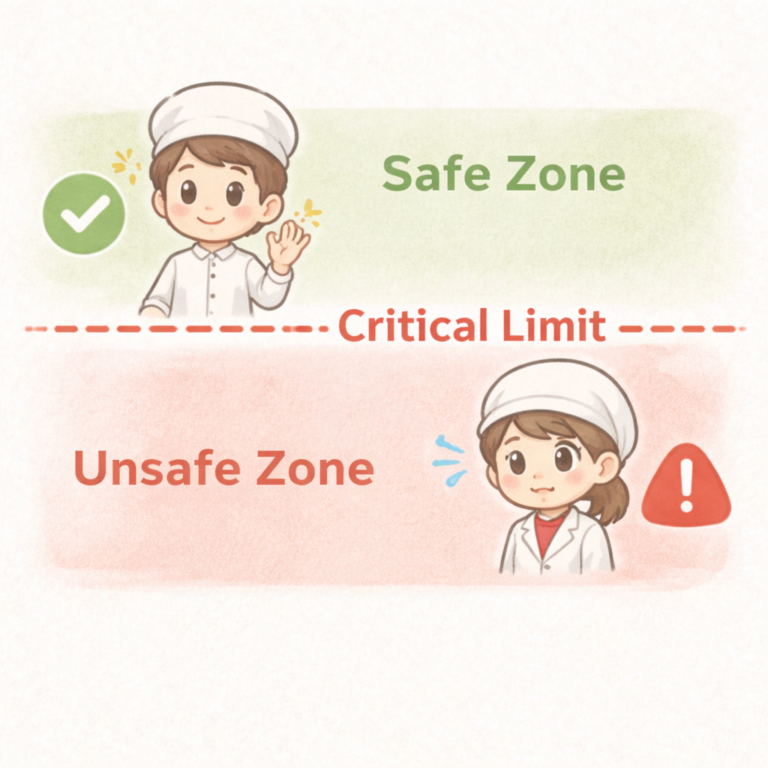
Critical limits in HACCP: how to set them correctly in food production
What does “safe” really mean in your process? Many food businesses write critical limits in their HACCP plan. However, few define them properly. As a result, the system looks complete. Records exist. Audits pass. Yet the control may not be strong enough to manage real hazards.
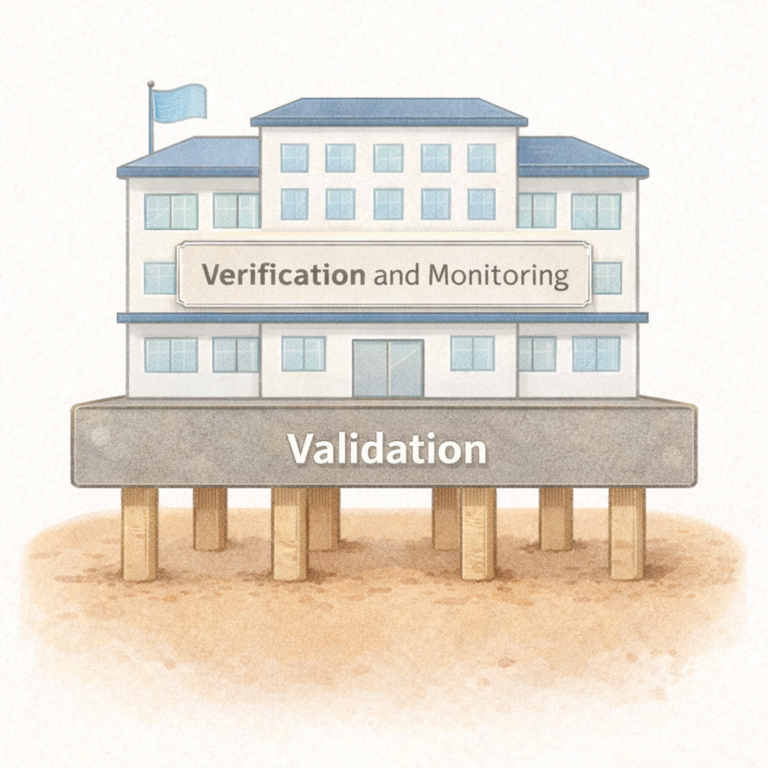
Process validation vs verification in food production Singapore
Many food businesses in Singapore use the words validation and verification as if they mean the same thing. However, they do not. If you operate a central kitchen, food manufacturing facility, or growing F&B chain, you must understand the difference between process validation and verification. More importantly, you must know when to apply each one.
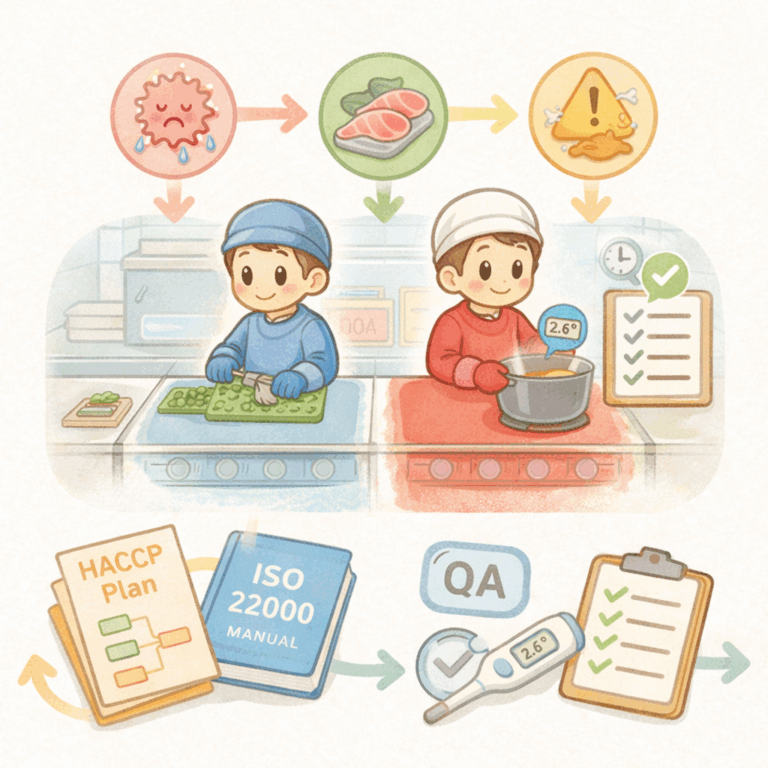
How HACCP and ISO 22000 are related to Quality Assurance in food production
Many food businesses in Singapore try to improve food safety by focusing only on results. They check the final product, review lab reports, and wait for issues to appear. However, quality assurance works very differently. Strong QA begins much earlier and depends on the daily systems that guide how food is produced.

Supplier approval and verification systems
A food business is only as safe as its suppliers. Every ingredient that enters your kitchen carries risks ranging from contamination to mislabelling. That is why an effective supplier approval and verification system is a key part of any good ISO 22000 food safety management system (FSMS).

How to strengthen your food traceability system for better safety and control
Traceability is a cornerstone of every ISO 22000 food safety management system (FSMS), not just paperwork. A strong FSMS doesn’t only meet audit expectations; it builds customer confidence and business resilience.
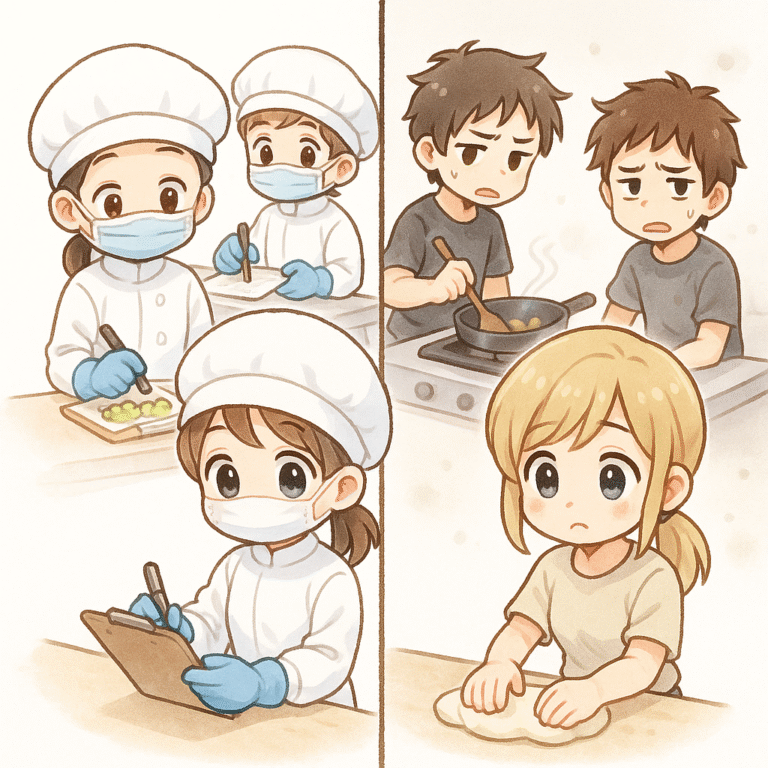
When food safety culture beats enforcement
Food safety doesn’t break down because of one bad decision. It breaks down when small lapses go unchallenged, when “just this once” becomes the norm. In kitchen environments, peer pressure can quietly shape how teams behave. When some staff abandon hygiene practices and nothing happens, others start doing the same. But food safety is not about getting caught or not. This post explores how peer dynamics influence hygiene, and why culture matters more than rules.

In-house vs. central kitchens: food safety challenges in Singapore
CNA recently interviewed me for an article on food safety in preschools. The conversation raised points that go far beyond early childhood settings. I was inspired to republish the interview here, with some adjustments, to explore a broader theme: how food safety risks and practices play out in different kitchen models—whether in-house kitchens, central kitchens, or the small, space-limited kitchens common across Singapore.
Food defence and fraud prevention in compliance
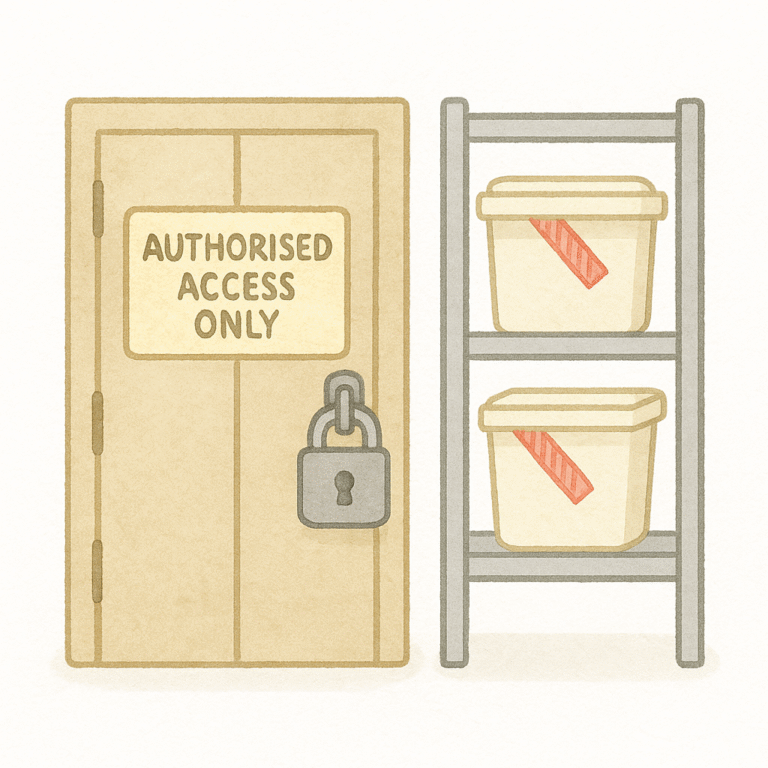
Most food businesses understand food safety. But food defence and fraud prevention are still unfamiliar areas, even though they’re increasingly expected in audits and certifications like ISO 22000 and FSSC 22000. This post explains what food defence and food fraud mean, why they matter, and how to start protecting your business from intentional threats.
Carbon footprint reduction for F&B businesses
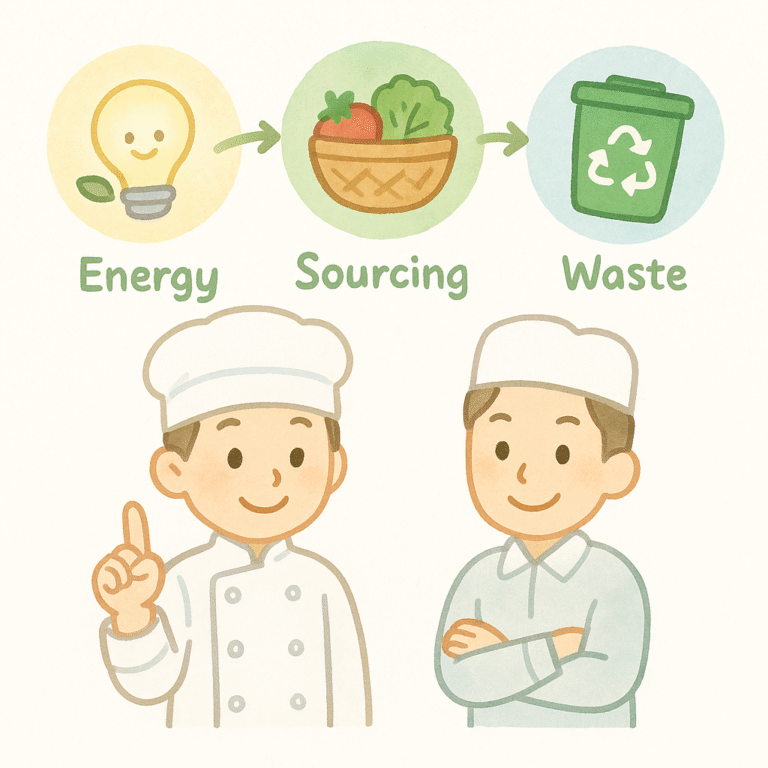
Reducing your business’s carbon footprint isn’t just about going green, it is about staying relevant, saving costs, and building for the long-term. Whether you’re running a café, central kitchen, or food manufacturing facility, small, targeted changes can make a big difference. This post breaks down where emissions might come from, and how F&B businesses can take practical steps toward a more sustainable operation.