
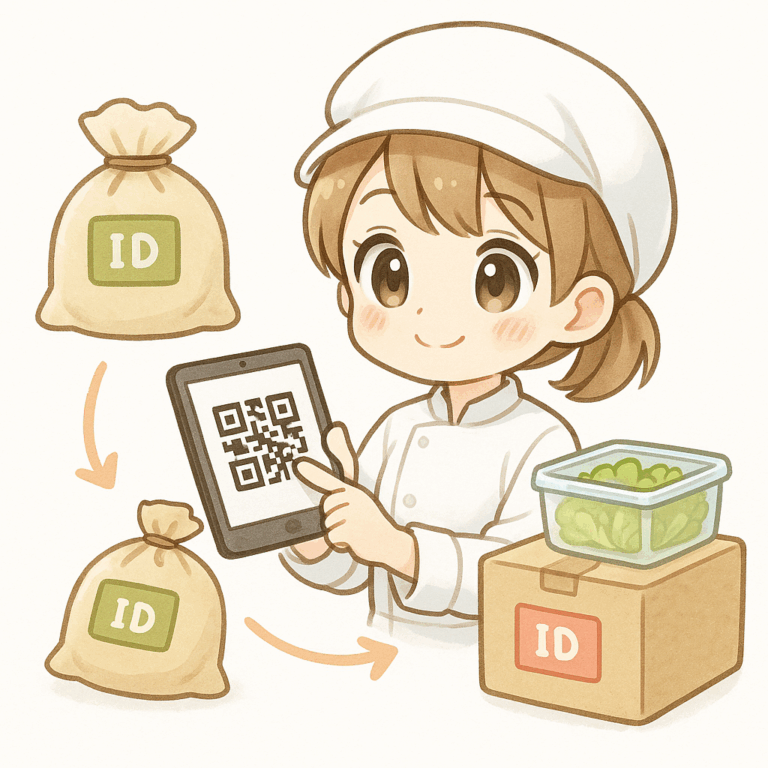
How to strengthen your food traceability system for better safety and control?
Traceability is a cornerstone of every ISO 22000 food safety management system (FSMS), not just paperwork. A strong FSMS doesn’t only meet audit expectations; it builds customer confidence and business resilience.
In Singapore, the Singapore Food Agency (SFA) requires traceability from supplier to customer. For many food manufacturers, caterers, and central kitchens, working with an experienced ISO 22000 consultant in Singapore helps close system gaps, train the team, and make compliance practical rather than stressful.
What traceability means in ISO 22000
Traceability is at the heart of the ISO 22000 standard.
The standard defines it as the ability to follow the movement of food through production, processing, and distribution. In practice, this means knowing:
✔ Where each ingredient originated
✔ When and how it was processed
✔ Where each finished batch was delivered
When your system answers those questions in minutes rather than hours or days, you’re audit-ready.
Common traceability gaps in food businesses
Even well-managed kitchens in Singapore face recurring issues.
✔ Missing or incomplete supplier documentation
✔ Inconsistent batch coding across products
✔ Poor linkage between incoming materials and finished goods
✔ Paper-heavy systems that slow data retrieval
A good ISO 22000 consultant can help map these gaps, simplify documentation, and introduce structure without over-complicating daily work.
Strengthen supplier traceability
Good traceability begins with good supplier control.
✔ Maintain an approved supplier list with product scopes and certifications (HACCP, ISO 22000, Halal)
✔ Require batch numbers and supplier declarations with each delivery
✔ Audit and review supplier performance regularly
✔ Train receiving staff to verify incoming goods and record details correctly
Solid supplier records protect you during both SFA inspections and ISO 22000 audits.
Improve internal tracking and labelling
Inside your kitchen or factory, clear labelling and documentation keep production traceable.
Best practices:
✔ Assign internal batch codes for each run and link them to raw material batches
✔ Label semi-finished and finished items with production dates and handlers
✔ Record key process data such as temperature and time
✔ Use colour-coded or printed labels for quick visual checks
These habits make recalls and investigations faster and more reliable.
Test and review your traceability system
A system only works if it’s tested. Regular mock recalls and internal audits prove its effectiveness.
✔ Pick a finished product and trace it to its ingredients and suppliers
✔ Note how long it takes and where information gaps occur
✔ Update your procedures and training accordingly
During an ISO 22000 audit, auditors always review these exercises as evidence of compliance.
Final thoughts.
A strong traceability system delivers control, not just compliance. It links suppliers, processes, and customers in one clear chain of accountability.
For Singapore food businesses, improving traceability supports both SFA regulations and ISO 22000 certification. Working with an experienced ISO 22000 consultant ensures your FSMS is practical, documented, and audit ready.
Need help to review and improve your traceability performance?
Food Forward is here to help you.
Get in touch with us today!