
Food defence and fraud prevention in compliance
Most food businesses understand food safety. But food defence and fraud prevention are still unfamiliar areas, even though they’re increasingly expected in audits and certifications like ISO 22000 and FSSC 22000. This post explains what food defence and food fraud mean, why they matter, and how to start protecting your business from intentional threats.
Food defence is about protecting food from intentional harm.
While food safety deals with accidents, food defence focuses on deliberate contamination or sabotage. Having a plan in place shows auditors and your customers that you take all types of risk seriously.
Examples of intentional threats include:
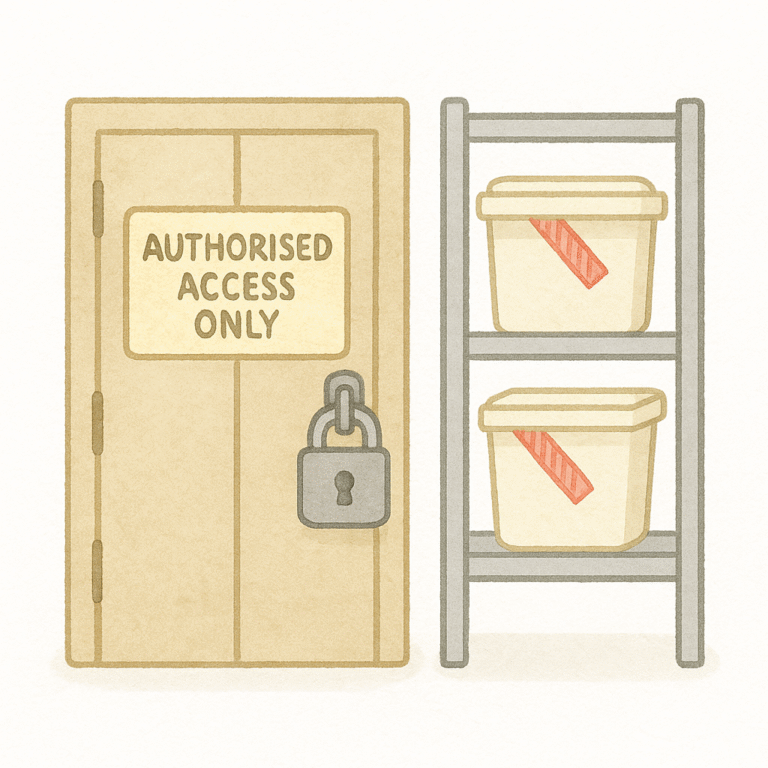
✔ Unauthorised access to food areas
✔ Deliberate contamination by staff or outsiders
✔ Theft or tampering during storage or delivery
✔ Use of false ingredients or labels
Food fraud is the intentional misrepresentation or substitution of food for economic gain.
Food fraud is not just a quality issue; it is a safety and legal concern. Fraud hurts trust, breaks the law, and can endanger consumers.
Common examples include:
✔ Diluted or adulterated products (e.g. olive oil, spices, milk)
✔ False origin or ingredient claims
✔ Counterfeit packaging or labels
✔ Hidden allergen substitution
Why food defence and food fraud matter for audits and certification?
ISO 22000, FSSC 22000, and even some regulatory frameworks now expect businesses to assess vulnerabilities to fraud and intentional harm, put control measures in place, a review and update those plans regularly.
Auditors will look for:
✔ A documented food defence and fraud prevention plan
✔ A site vulnerability assessment
✔ Staff awareness and control measures
✔ Incident logs and follow-up actions
Start by identifying where your business is most exposed.
Use a simple risk scoring system (e.g. likelihood x impact) to identify your most critical areas and prioritise actions.
To assess vulnerability, consider:
✔ Access points and how they’re controlled
✔ Ingredient authenticity and sourcing risks
✔ Storage and transport conditions
✔ Packaging materials and labelling processes
Even small businesses can set up a basic food defence and fraud prevention plan.
Your plan doesn’t have to be complex. It just needs to be real, usable, and regularly reviewed.
The key steps to build a basic plan include:
✔ Name a person responsible for monitoring these risks
✔ Create a vulnerability assessment checklist
✔ Define practical controls (e.g. access locks, supplier verification, etc)
✔ Train staff to report anything suspicious
✔ Review the plan yearly or after incidents
Final thoughts.
Food defence and fraud prevention aren’t just audit requirements.
They are part of building a responsible and trustworthy business. As customers, regulators, and certification standards raise expectations; showing that you’ve considered intentional risks puts you ahead.
Need help reviewing your current system or setting up a basic defence plan?
Food Forward is here to help you.
Get in touch with us today!