
Common food safety issues
Food safety is non-negotiable in the F&B industry. Even one mistake can lead to foodborne illness, business losses, and reputational damage. However, many businesses unknowingly make critical errors during daily operations. This post highlights the most common food safety issues and offers practical, preventative solutions.
Poor personal hygiene
Improper hygiene among food handlers is one of the top causes of food contamination.
Common personal hygiene issues
- Not washing hands frequently or properly
- Handling food while sick
- Not using gloves, or changing them irregularly
How to fix food hygiene problems
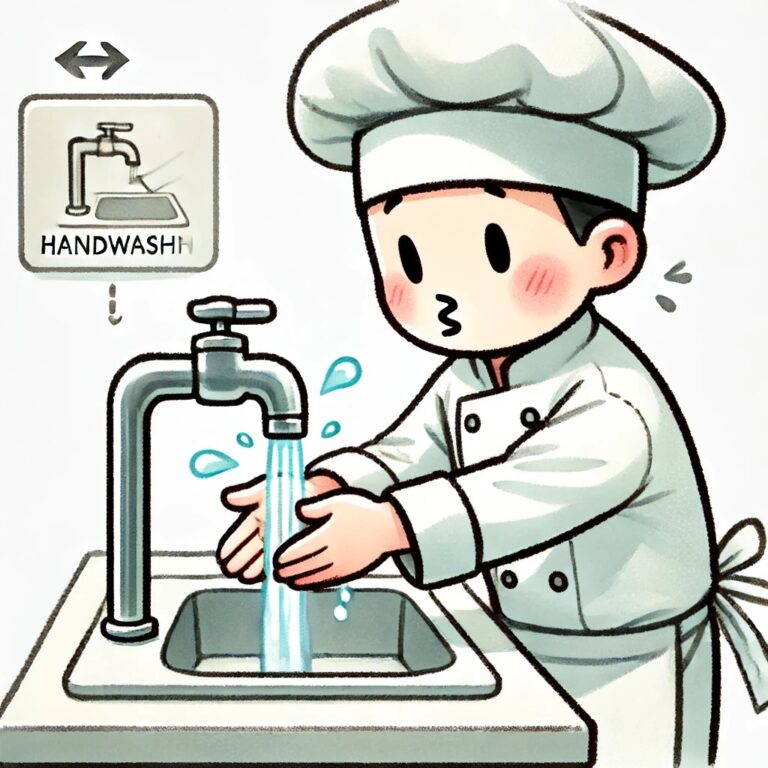
- Implement strict handwashing procedures with clear signage
- Schedule regular hygiene training for all staff
- Enforce staff health screening policies to prevent unfit employees from handling food
Improper temperature control
Temperature control failures are a leading cause of foodborne illness.
Common temperature control issues
- Leaving food in the danger zone (5°C – 60°C) for too long
- Inaccurate chilling or reheating processes
- Hot food not being kept at safe serving temperatures
How to fix temperature control problems
- Use calibrated food thermometers to check and record temperatures
- Ensure refrigeration and freezer equipment is well maintained
- Train staff on proper chilling, reheating, and holding procedures
Cross-contamination
Cross-contamination occurs when bacteria or allergens are transferred from one surface or food item to another.
Common cross-contamination issues
- Using the same cutting boards and utensils for raw and cooked foods
- Storing raw meat above ready-to-eat items
- Not washing hands or equipment between tasks
How to fix cross-contamination problems
- Use colour-coded equipment for different food groups
- Store raw ingredients separately and below ready-to-eat items
- Implement zone separation and reinforce food contact surface hygiene
Inadequate cleaning and sanitation
Poor cleaning routines can cause bacteria buildup and increase food safety risks.
Common cleaning and sanitation issues
- Using dirty or worn-out mops and cloths
- Not cleaning equipment or high-touch surfaces properly
- Lack of clear cleaning schedules or assigned responsibilities
How to fix cleaning and sanitation problems
- Establish a routine cleaning schedule with clear responsibilities
- Train staff on hygiene protocols and food-safe cleaning products
- Conduct regular cleaning audits to ensure consistency and improvement
Lack of food safety training
Untrained teams are a major risk to food safety compliance.
Common food safety training issues
- Assuming staff will “learn on the job”
- Skipping refresher training on hygiene or regulatory updates
- Inconsistent onboarding or role-based instruction
How to fix food safety training problems
- Deliver role-specific training for all staff
- Use updated materials that reflect current regulations and SOPs
- Reinforce learning through visual tools and on-the-job coaching
Final thoughts on common food safety issues
Avoiding these common mistakes helps protect your customers, your business, and your reputation. Therefore, prioritising food safety is not just about passing audits—it’s about delivering safe, high-quality food every day.
Need help with food safety audits, training, or compliance?
Get in touch with us today!